IIPalazzo Barberini
Taste in the Age of AI
When anything can be generated, the scarce thing is knowing which one deserves to exist. A room painted in 1639 explains why.
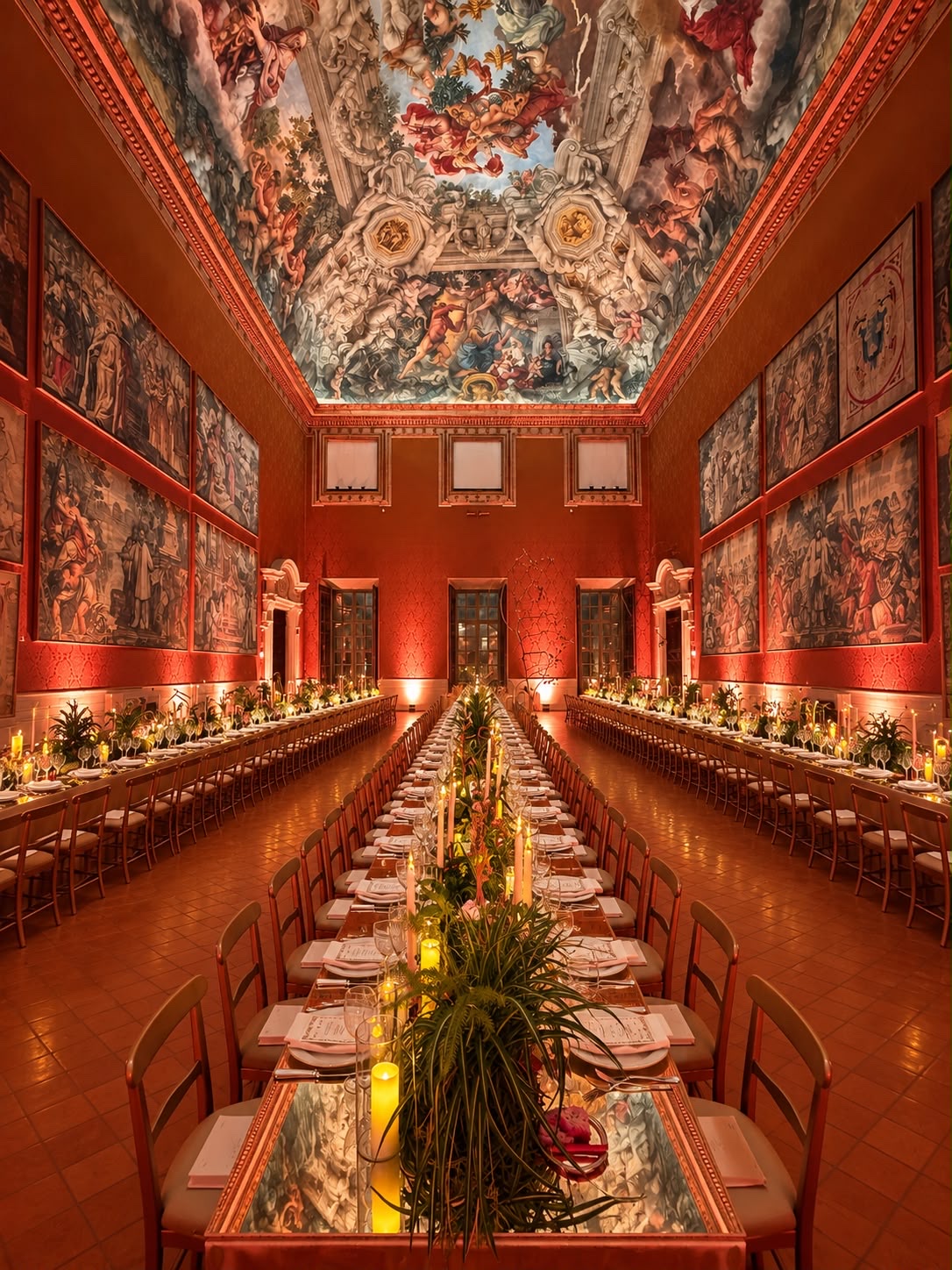
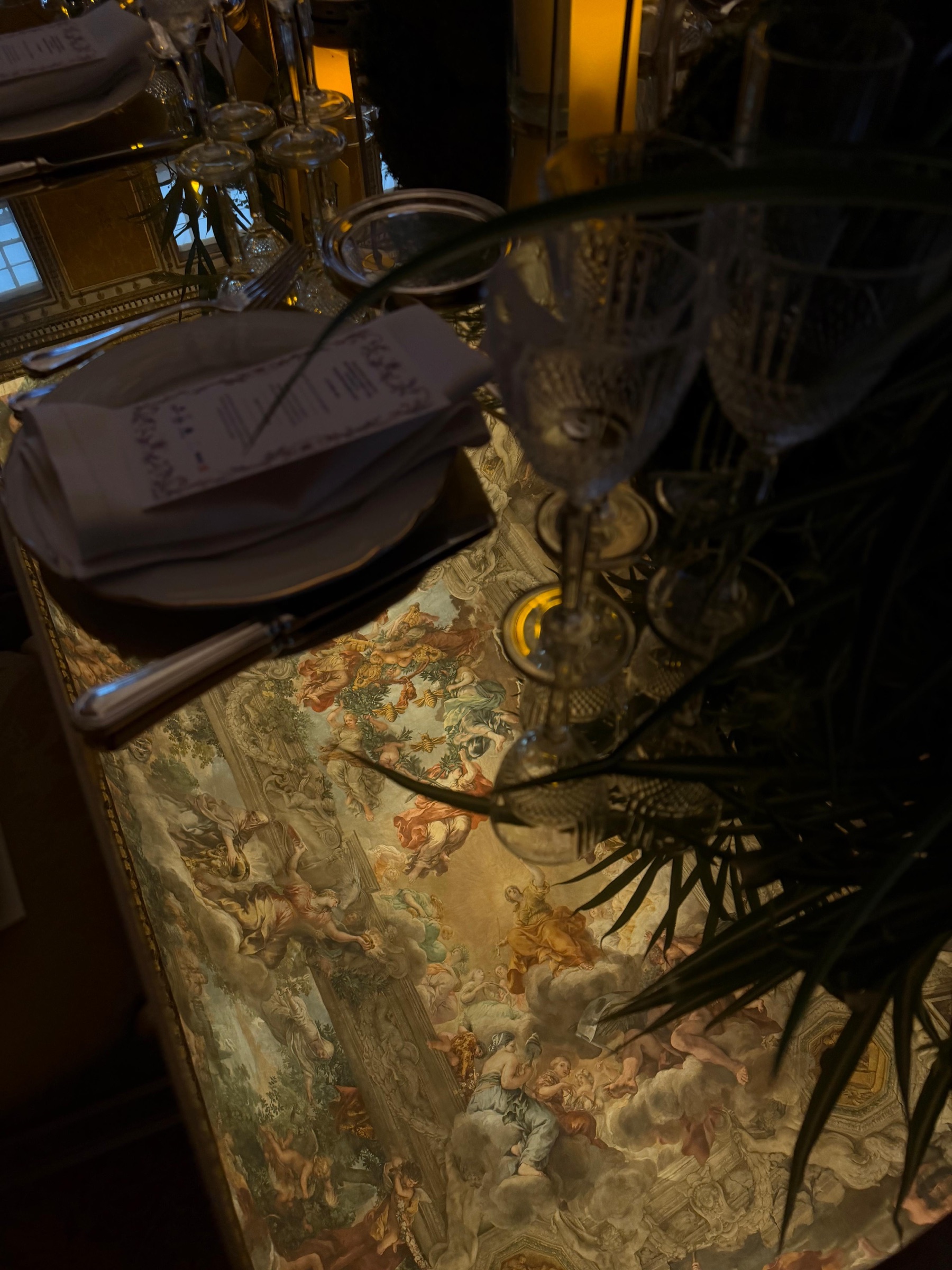
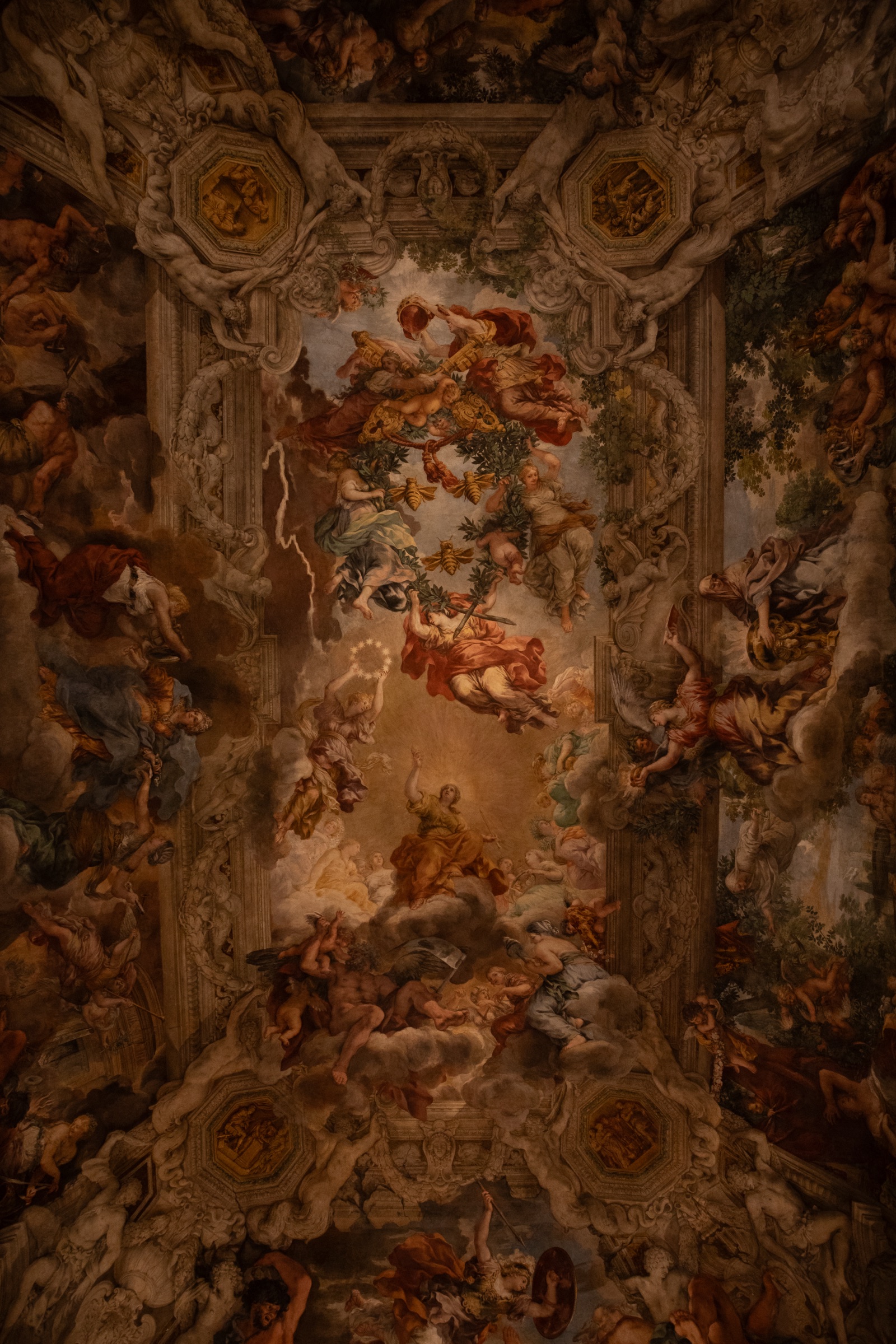
Pietro da Cortona finished the ceiling of the great salone at Palazzo Barberini in 1639, and it still tells you how to behave.
On the second night of our weekend in Rome we dined beneath it, at one long table laid with candles and greenery, on a cloth printed with the fresco above. Everyone looked up. Nearly four centuries ago, painters and architects brought painting, movement, mythology and light together to produce one emotion in whoever entered. The room was the work. Baroque beauty was never simply decorative. It was immersive.
I have thought about that room a great deal since, because of what is happening to the word taste.
Taste is judgment
We use the word carelessly. Someone has good taste in clothes, in houses, in restaurants. But taste is not a preference. It is a judgment: the ability to recognise proportion and harmony, to put two unexpected things together and know they belong, to feel when there is too much, when something is missing, and when to stop.
Kant called it the judgment of taste, and his point was that when we call something beautiful we feel the judgment should hold for others too. It is not simply saying "I like this". It is deciding that something deserves attention, that it has balance, that it works. That distinction matters more now, in a world overwhelmed by images and choices.
My own judgment comes from living between two cultures. Italy taught me proportion, craftsmanship, history and restraint. Brazil taught me colour, sensuality, spontaneity and freedom. One taught me structure, the other instinct, and my taste lives in that tension: not in following the rules perfectly, but in knowing when to respect them and when to break them. What surrounded me educated it further: streets, churches, fabrics, furniture, the vintage markets where I searched for the piece that would spark a collection, the factories where a drawing became something a person could buy. The eye learns from what it sees. And it learns that taste has very little to do with money. An expensive room can be completely soulless. A simple room can be unforgettable.
What changed
For most of history the problem was scarcity. Fewer references, fewer materials, fewer options. Today the problem is the opposite. Images arrive by the thousand. Trends last weeks. Objects are made to be replaced. And artificial intelligence can now generate a near infinite number of rooms, dresses, invitations, logos and stories in seconds.
I use it, and I find it extraordinary. I believe it will transform creativity, business, medicine, communication and almost every other area of our lives. But when everything can be made, the question is no longer whether we can. It is which one, why this one, and why now.
AI can generate a thousand rooms. Someone still has to know which one feels right. It can propose a hundred invitations. Someone has to understand which one belongs to that particular evening. It can suggest the flowers, the menu, the music and the guest list. It cannot sit at the table and feel that these two people should meet. It cannot be moved by candlelight on an old wall. It cannot say: this is enough. This belongs here.
When there are ten possibilities, choosing is relatively simple. When there are ten thousand, judgment becomes everything. Abundance does not make taste less relevant. It makes taste more valuable, because when everything is available, discernment is the thing that is scarce. Taste today is not about having access to more. It is about knowing what is worth keeping.
Preference is not taste
An algorithm can learn what we chose before and offer us more of it. That is preference. Taste is the ability to surprise even ourselves: to recognise the thing we did not know we wanted, and to say no to the thing that merely flatters us. It comes from experience, memory, mistakes, encounters, and everything we have loved and rejected over a lifetime. It is a point of view, and a point of view cannot be generated. It has to be lived.
The same is true of people. AI can recommend whom we should meet and find the common ground. It cannot reproduce the chemistry of a stranger at the next seat, or feel when a room has changed.
The human future
So the more our tools can produce, the more deliberately human we need to become. Keep looking at paintings in person. Touch materials. Eat together. Enter old buildings. Sit beside someone you do not know. Teach children the difference between expensive and beautiful, between fashionable and meaningful, between generating something and knowing whether it deserves to exist.
The great challenge of the next era is not whether machines can make beautiful things. They already can. It is whether we will still know the difference between something impressive and something moving, between something fashionable and something timeless, between something generated and something chosen with intention. The future I want is not human against technology. It is human judgment, supported by technology. Use the machine to widen the field of possibility, and keep the responsibility to choose.
That is what I brought home from the room under Cortona's ceiling. Technology can give us possibilities. Only a person can decide which of them deserves to matter.
Immanuel Kant, Critique of the Power of Judgment, 1790, §§1 to 22, the judgment of taste.