IRome, autumn 2026
The Art of Connection
A weekend in Rome for the children of Bambino Gesù raised money, as it was meant to. What the guests wrote about afterwards was something else.
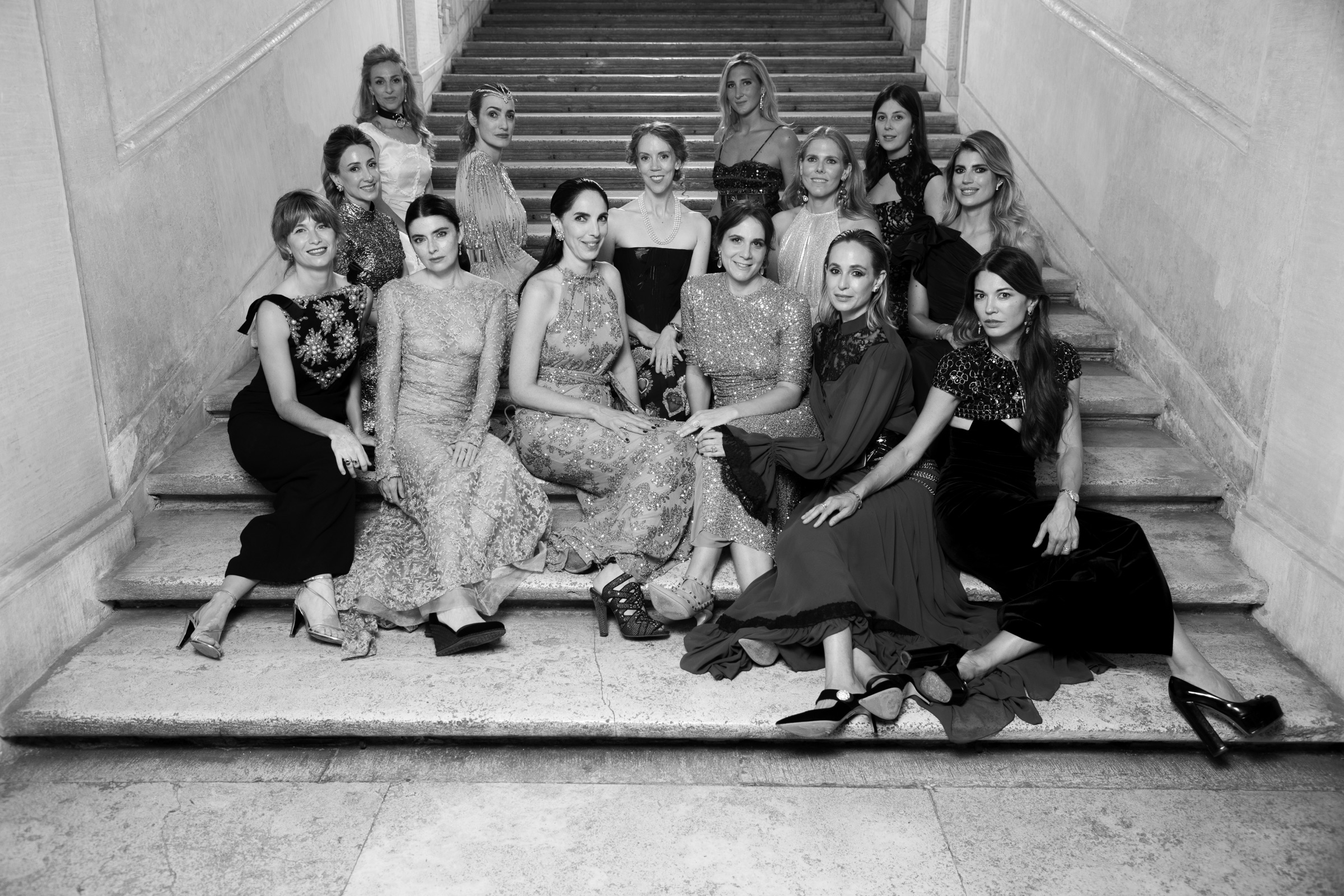
In the days after our weekend in Rome, the messages arrived, and again and again they were about the people.
For almost a year, my friend Sveva Colonna and I, with a committee of friends, had worked on a weekend in Rome for the children of the Bambino Gesù hospital. The purpose was to raise money, and we did. But we had set out to build something more than a fundraising dinner. We wanted the people who came to leave with an experience they could not have bought.
They came from the United States, India, Turkey, Qatar, Peru and across Europe. Most had never met. We opened with a private visit to the Vatican, then dinner in one of Rome's historic private houses, and on the second evening a long table at Palazzo Barberini, under the ceiling Pietro da Cortona painted in the 1630s. Rome gave us la grande bellezza as a stage.
Guests wrote that it had been one of the most extraordinary weekends of their lives. They spoke about Rome, about the art, the dinners and the atmosphere. But what they returned to, every time, was the people they had met: the conversations, the encounters, the friendships that began at a table.
What we had made was not an event. It was a space for connection.
What we are losing
We have never been more connected and rarely so alone. We carry thousands of contacts and can speak to anyone in seconds. Meanwhile our phones follow us to the table, we work through screens, and algorithms choose what we read, what we watch and, more and more, whom we meet. We communicate all day. Communication is not connection.
This is not nostalgia. In 2025 the World Health Organization's Commission on Social Connection described loneliness and isolation as a global health problem, and argued that social connection should be treated as a component of human health and wellbeing.
Connection asks for things a screen cannot give: presence, curiosity, a seat beside someone you do not already know, and a conversation allowed to go where it wants. For two days in Rome, people slowed down, looked up, sat together and talked. What followed is the thing no technology can manufacture: human chemistry. The moment one person becomes interested in another. The idea that did not exist before the conversation.
Beauty does the work
The connection happened inside beauty, and I do not think that is a coincidence.
Walk into the Sistine Chapel, or sit beneath Cortona's ceiling, and your behaviour changes. You look, you slow down, you become aware of where you are. The Baroque understood this. Its painters and architects brought painting, light and allegory together to produce an emotion in whoever entered. The room was not a container for the art. The room was the work, and it did not apologise for theatre, surprise or scale.
Beauty creates attention, and attention makes people present. When people are present they become available to one another. That is where connection begins, and it is why the setting of an evening is never decoration.
The new luxury
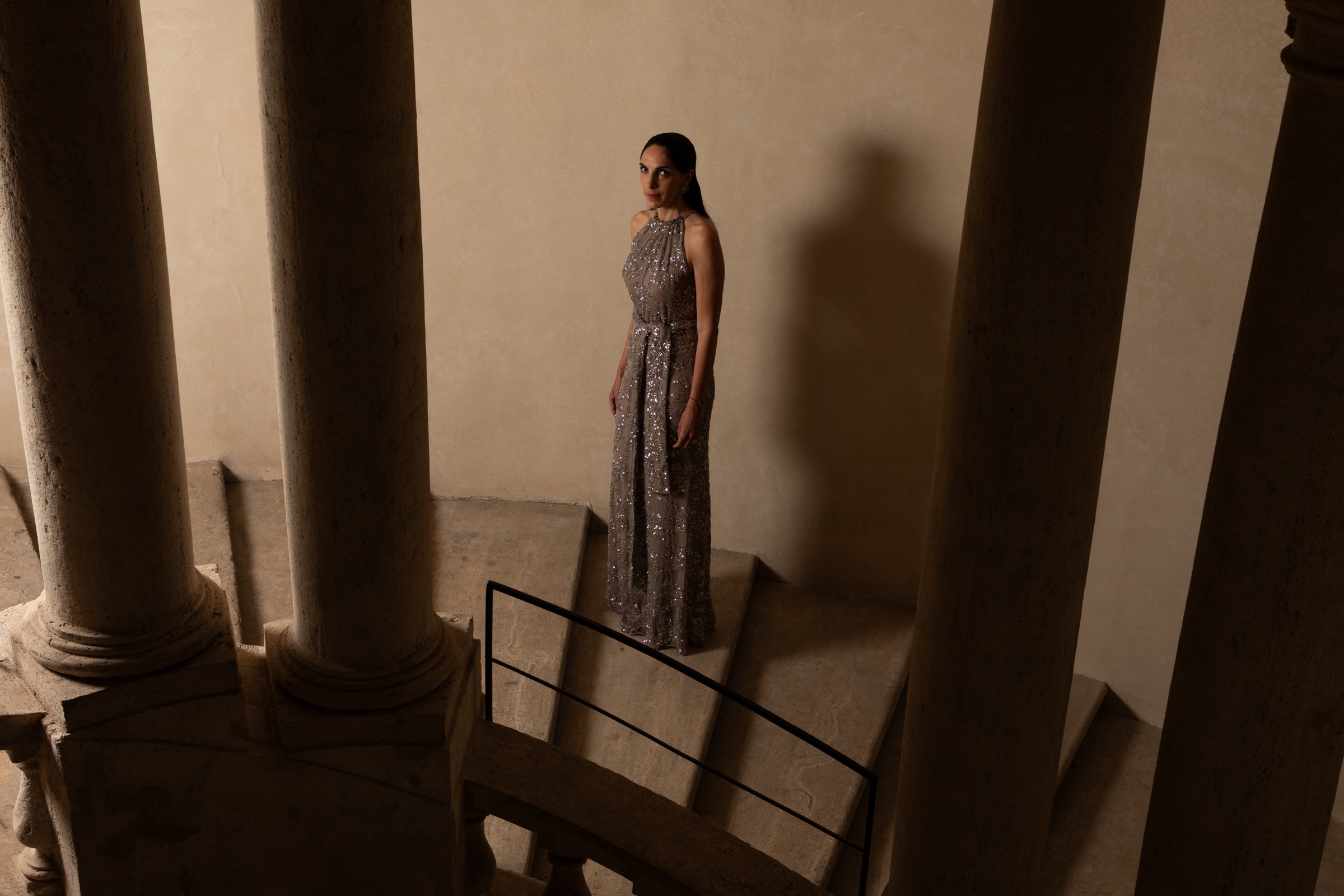
For a long time luxury meant possession: the house, the dress, the car. I spent more than twenty years designing objects for houses that lived on that desire, and I still believe in a beautiful object. But the definition is changing. The greatest luxury today is an unforgettable experience shared with interesting people: time, access, discovery, a conversation you were not expecting, a room you may never enter again, a person you would never otherwise have met. A moment that cannot be repeated.
In Rome the privilege was not the fresco. It was that fresco, that night, with those people, for a purpose larger than any of us. Beauty was the setting. Connection was the experience. Purpose gave it meaning. Charity and beauty do not contradict each other. The beauty gathered people around the cause, and people crossed continents to give.
Modern salons
We need more of this, and it does not require a palazzo. It requires rooms designed, on purpose, for people to meet outside their own circle. The salons, dinner tables and cafés of earlier centuries did exactly that. The artist met the entrepreneur, the writer met the scientist, and ideas travelled because people did.
Our feeds do the opposite. They are superb at giving us more of what we already know: the same people, the same opinions, the same images in our existing taste. Comfort is efficient. Discovery needs friction. The gift of gathering people is that you cannot control what happens. Two strangers disagree, grow curious, trade an idea, and something begins.
That unpredictability is the most human thing we have, and it deserves protecting. So keep inviting people to dinner. Seat them beside someone they do not know. Put them under something beautiful. Then let the evening go where it wants.
In an age when technology can connect almost everything, genuine human connection becomes the rarest and most valuable experience of all. Creating it is an art.
World Health Organization, Commission on Social Connection, From loneliness to social connection, June 2025.
Pietro da Cortona, Triumph of Divine Providence, ceiling of the salone of Palazzo Barberini, Rome, 1632 to 1639.